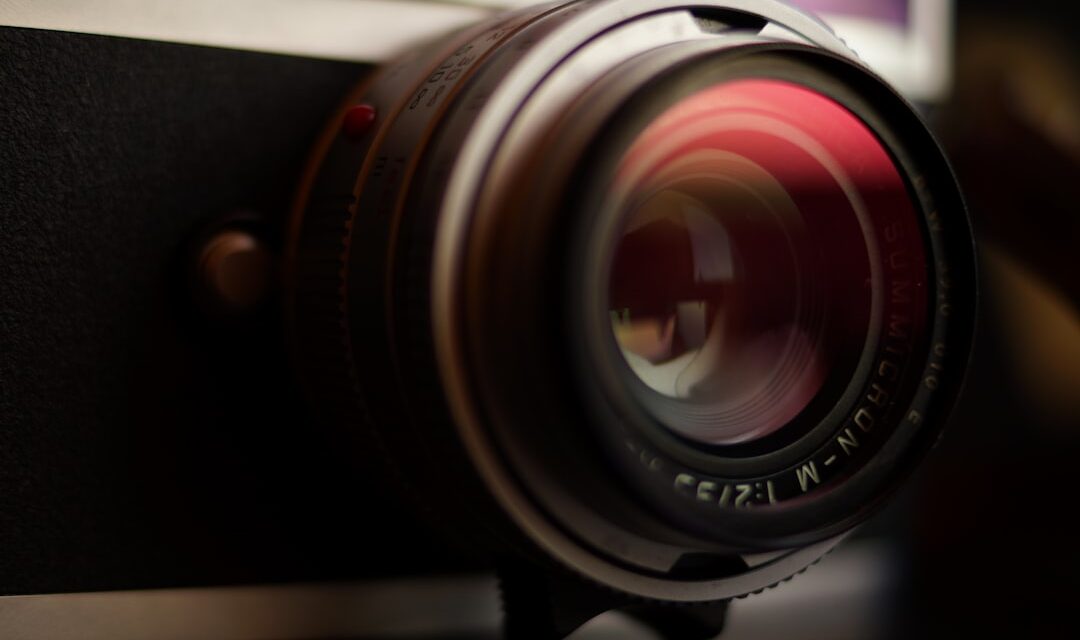
Professional photography is an art form that has the power to capture life’s most precious moments. Whether it’s a wedding, a graduation, or a family gathering, professional photographers are skilled in capturing these moments in a way that is both visually stunning and emotionally impactful. In this article, we will explore the benefits of professional photography, the power of capturing life’s moments, the importance of high-quality equipment, the art of composition, the role of lighting, the impact of professional editing, the advantages of working with a professional photographer, the significance of photographs in preserving memories, the emotional value of professional photography, and the enduring legacy of professional photographs.
Key Takeaways
- Professional photography captures life’s moments in a powerful way.
- High-quality equipment and composition skills are important for creating stunning photographs.
- Lighting plays a crucial role in professional photography.
- Professional editing enhances the impact of photographs.
- Working with a professional photographer has many advantages, including emotional value and preserving memories.
The Benefits of Professional Photography
One of the main advantages of hiring a professional photographer is their expertise and experience. Professional photographers have spent years honing their craft and have a deep understanding of how to capture moments in the most visually appealing way. They know how to frame shots, use lighting effectively, and capture emotions in a way that amateur photographers may not be able to.
Another benefit of working with a professional photographer is their access to high-quality equipment. Professional cameras and lenses are designed to capture images with incredible detail and clarity. They also have access to additional equipment such as lighting setups and tripods that can enhance the quality of the final product. This level of equipment is often not available to amateur photographers and can make a significant difference in the overall quality of the photographs.
The Power of Capturing Life’s Moments
Photographs have a unique ability to capture and preserve moments in time. They freeze a moment that would otherwise be lost forever and allow us to revisit it whenever we want. Whether it’s a smile on a loved one’s face or a tear of joy, these moments can evoke powerful emotions when captured through photography.
Photographs also have the power to transport us back to a specific moment in time. Looking at a photograph can bring back memories and emotions that may have faded over time. They serve as a tangible reminder of important moments in our lives and can bring us comfort and joy when we need it most.
The Importance of High-Quality Equipment
| Metrics | Importance |
|---|---|
| Productivity | High-quality equipment can increase productivity by reducing downtime and improving efficiency. |
| Safety | Using high-quality equipment can reduce the risk of accidents and injuries, ensuring a safer work environment. |
| Cost-effectiveness | Investing in high-quality equipment may have a higher upfront cost, but it can save money in the long run by reducing maintenance and replacement costs. |
| Customer satisfaction | Providing high-quality equipment to customers can improve their satisfaction and loyalty to the business. |
| Competitive advantage | Having access to high-quality equipment can give a business a competitive advantage over competitors who use lower quality equipment. |
High-quality equipment is essential in professional photography because it directly affects the final product. Professional cameras and lenses are designed to capture images with incredible detail and clarity. They have larger sensors, which allow for better low-light performance and higher resolution images. This means that the photographs will have more detail, sharper focus, and better color reproduction.
In addition to cameras and lenses, professional photographers also have access to other equipment such as lighting setups and tripods. Lighting is a crucial element in photography, and having the right equipment can make a significant difference in the overall quality of the photographs. Professional lighting setups allow photographers to control the intensity, direction, and color of light, resulting in more visually appealing and impactful images.
The Art of Composition in Photography
Composition is one of the fundamental elements of photography. It refers to how the elements within a photograph are arranged and how they interact with each other. A well-composed photograph can draw the viewer’s eye to the subject, create a sense of balance and harmony, and evoke emotions.
There are several compositional techniques that professional photographers use to enhance the visual impact of their photographs. These include the rule of thirds, leading lines, framing, symmetry, and negative space. By understanding these techniques and applying them effectively, professional photographers can create visually stunning images that capture the viewer’s attention.
The Role of Lighting in Professional Photography
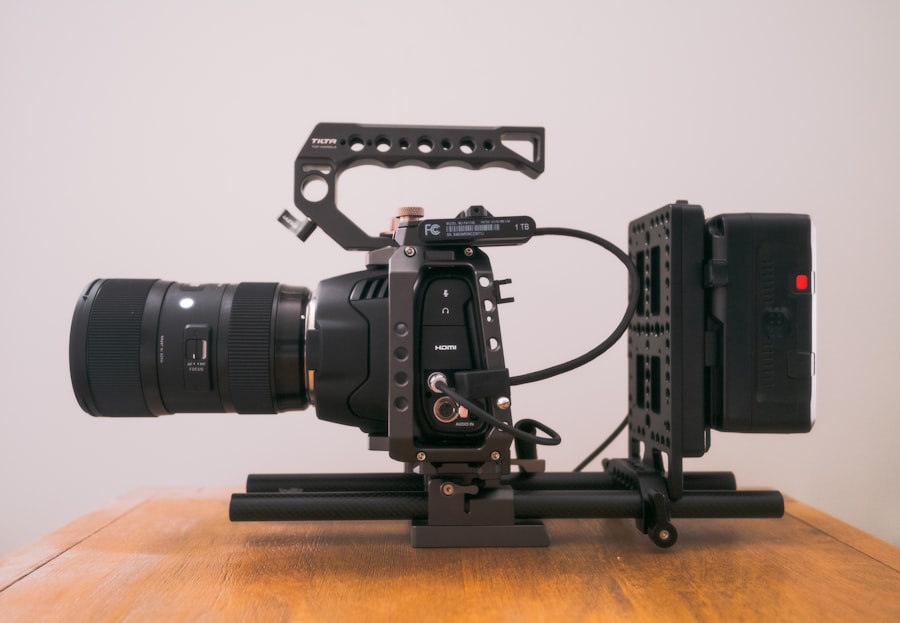
Lighting is one of the most important aspects of professional photography. It has the power to transform an ordinary scene into something extraordinary by creating mood, emphasizing certain elements, and adding depth and dimension to the photograph.
Professional photographers understand how different types of lighting can affect the mood and tone of a photograph. They know how to use natural light, artificial light, and a combination of both to create the desired effect. They also have the knowledge and skills to manipulate light using reflectors, diffusers, and other tools to achieve the desired result.
The Impact of Professional Editing
Editing is an essential part of the professional photography process. It allows photographers to enhance the final product by adjusting elements such as exposure, color balance, contrast, and sharpness. It also gives photographers the ability to remove distractions, correct imperfections, and create a consistent look and feel across a series of photographs.
Professional photographers have the skills and experience to use editing software effectively. They understand how to make subtle adjustments that enhance the overall quality of the photograph without making it look over-edited or unnatural. They also have a keen eye for detail and can spot imperfections that may go unnoticed by others.
The Advantages of Working with a Professional Photographer
There are several advantages to working with a professional photographer. One of the main benefits is their ability to capture unique and creative shots. Professional photographers have a keen eye for detail and can see things that others may overlook. They know how to find interesting angles, use different perspectives, and capture moments that tell a story.
Another advantage of working with a professional photographer is their ability to put their subjects at ease. Being in front of a camera can be intimidating for some people, but professional photographers know how to make their subjects feel comfortable and relaxed. This allows them to capture more natural and authentic moments that truly reflect the personality and emotions of the individuals being photographed.
The Significance of Photographs in Preserving Memories
Photographs have a unique ability to preserve memories in a tangible form. They capture moments that would otherwise be lost forever and allow us to revisit them whenever we want. Whether it’s a family gathering, a wedding, or a graduation, these photographs serve as a visual reminder of important moments in our lives.
Photographs also have the power to evoke memories and emotions. Looking at a photograph can transport us back to a specific moment in time and bring back the feelings and emotions associated with that moment. They serve as a connection to our past and can bring us comfort, joy, and nostalgia.
The Emotional Value of Professional Photography
Professional photography has a unique ability to evoke emotions. Whether it’s capturing the love between a couple on their wedding day or the joy on a child’s face during a family photoshoot, these photographs have the power to make us feel something.
Photographs can evoke feelings of nostalgia, happiness, and love. They can bring back memories of special moments and remind us of the people we love. They can also serve as a source of inspiration and motivation, reminding us of what is important in life.
The Enduring Legacy of Professional Photographs
One of the most significant advantages of professional photography is its enduring legacy. Unlike digital files that can be easily lost or corrupted, printed photographs can be passed down through generations. They become family heirlooms that tell the story of our lives and connect us to our past.
Professional photographs have the power to create a lasting impact on future generations. They allow our children, grandchildren, and great-grandchildren to see and experience moments that they may have otherwise missed. They serve as a visual record of our lives and can bring future generations closer to their roots.
In conclusion, professional photography is an art form that has the power to capture life’s most precious moments. It offers several benefits, including expertise, experience, and access to high-quality equipment. Professional photographers understand the power of capturing life’s moments and use their skills to create visually stunning and emotionally impactful images.
The importance of high-quality equipment cannot be overstated in professional photography. It directly affects the final product and allows photographers to capture images with incredible detail and clarity. Composition, lighting, and editing are also crucial elements in professional photography that can enhance the visual impact of a photograph.
Working with a professional photographer has several advantages, including their ability to capture unique and creative shots and put their subjects at ease. Photographs have a significant impact on preserving memories and evoking emotions. They serve as a tangible reminder of important moments in our lives and can bring us comfort, joy, and nostalgia.
The enduring legacy of professional photographs is another important aspect to consider. They can be passed down through generations and become family heirlooms that connect us to our past. Professional photography is not just about capturing a moment; it’s about creating a lasting legacy that will be cherished for years to come.
If you’re interested in professional cameras, you may also want to check out this informative article on social media analytics. Understanding the impact of social media on your photography business can be crucial in today’s digital age. By analyzing data and insights from platforms like Facebook, Instagram, and Twitter, you can gain valuable information about your target audience, engagement rates, and the effectiveness of your marketing efforts. To learn more about how social media analytics can enhance your professional camera business, click here: https://savemallsm.com/social-media-analytics/.
FAQs
What is a professional camera?
A professional camera is a high-end camera that is designed for professional photographers and videographers. It typically has advanced features and capabilities that allow for greater control over the image or video being captured.
What are the key features of a professional camera?
Some key features of a professional camera include a large image sensor, high resolution, fast autofocus, high ISO range, and the ability to shoot in RAW format. They also often have interchangeable lenses and advanced manual controls.
What types of professional cameras are available?
There are several types of professional cameras available, including DSLR (digital single-lens reflex), mirrorless, medium format, and cinema cameras. Each type has its own advantages and disadvantages, and the choice often depends on the specific needs of the photographer or videographer.
What are the benefits of using a professional camera?
Using a professional camera allows for greater control over the image or video being captured, resulting in higher quality and more creative possibilities. They also often have better low-light performance and faster autofocus, making them ideal for capturing fast-moving subjects or shooting in challenging lighting conditions.
What is the cost of a professional camera?
The cost of a professional camera can vary widely depending on the type and brand. Entry-level professional cameras can start at around $1,000, while high-end models can cost upwards of $10,000 or more. Lenses and other accessories can also add to the overall cost.