
Smartphones have become an integral part of our daily lives. From communication and entertainment to productivity and navigation, these devices have revolutionized the way we live and work. With the advancements in technology, high-quality smartphones have the potential to enhance our productivity and entertainment even further.
Key Takeaways
- Quality smartphones have the potential to greatly enhance our daily lives.
- Smartphones have evolved from basic devices to high-end, feature-packed gadgets.
- When choosing a smartphone, consider factors such as budget, operating system, and desired features.
- Tips and tricks can help maximize your smartphone’s performance, from clearing cache to disabling unused apps.
- Personalizing your smartphone with customizations and security measures can improve your user experience and protect your data.
The Evolution of Smartphones: From Basic to High-End Devices
The history of smartphones dates back to the early 1990s when IBM introduced the first smartphone called Simon. However, it wasn’t until the early 2000s that smartphones started gaining popularity with the introduction of devices like BlackBerry and Palm Treo. These early smartphones were primarily focused on providing email and basic internet browsing capabilities.
Over time, smartphones evolved to include more advanced features and capabilities. The introduction of touchscreens revolutionized the way we interact with our devices, making them more intuitive and user-friendly. Companies like Apple and Samsung started dominating the market with their high-end smartphones, offering powerful processors, high-resolution displays, and advanced camera systems.
Choosing the Right Smartphone: Factors to Consider
When choosing a smartphone, there are several factors to consider. One of the most important factors is your budget. Smartphones come in a wide range of prices, so it’s essential to determine how much you’re willing to spend before making a purchase.
Another factor to consider is the brand. Different brands have their own strengths and weaknesses, so it’s important to research and compare different brands before making a decision. Additionally, consider the features you need in a smartphone. Do you need a device with a powerful camera? Or do you prioritize battery life? Make a list of your must-have features and use it as a guide when comparing different smartphone models.
Maximizing Your Smartphone’s Performance: Tips and Tricks
| Tip/Trick | Description |
|---|---|
| Clear Cache | Regularly clear cache to free up storage space and improve performance. |
| Disable Animations | Disabling animations can speed up your phone’s performance. |
| Uninstall Unused Apps | Uninstalling unused apps can free up storage space and improve performance. |
| Update Software | Regularly updating your phone’s software can improve performance and fix bugs. |
| Disable Background App Refresh | Disabling background app refresh can improve battery life and performance. |
| Use Battery Saver Mode | Using battery saver mode can extend battery life and improve performance. |
| Limit Widgets | Limiting the number of widgets on your home screen can improve performance. |
| Use a Task Manager | Using a task manager can help you close apps and improve performance. |
To maximize your smartphone’s performance, there are several tips and tricks you can follow. One of the most effective ways to improve performance is by clearing the cache regularly. Over time, cached data can accumulate and slow down your device. Clearing the cache can free up storage space and improve overall performance.
Another tip is to optimize your battery life. Close unnecessary apps running in the background, reduce screen brightness, and enable power-saving mode to extend your battery life. Additionally, regularly updating your smartphone’s software is crucial for maintaining optimal performance. Software updates often include bug fixes and performance improvements, so it’s important to keep your device up to date.
Customizing Your Smartphone: Personalizing Your User Experience
One of the great advantages of smartphones is the ability to customize them according to your personal preferences and needs. You can change the wallpaper, rearrange app icons, and even install custom launchers to completely transform the look and feel of your device.
Furthermore, you can personalize your smartphone’s settings to suit your needs. For example, you can customize notification settings to prioritize certain apps or contacts. You can also set up gestures and shortcuts for quick access to frequently used features or apps.
Customizing your smartphone not only enhances the user experience but also allows you to make your device truly unique and tailored to your preferences.
Enhancing Your Smartphone’s Security: Protecting Your Data and Privacy
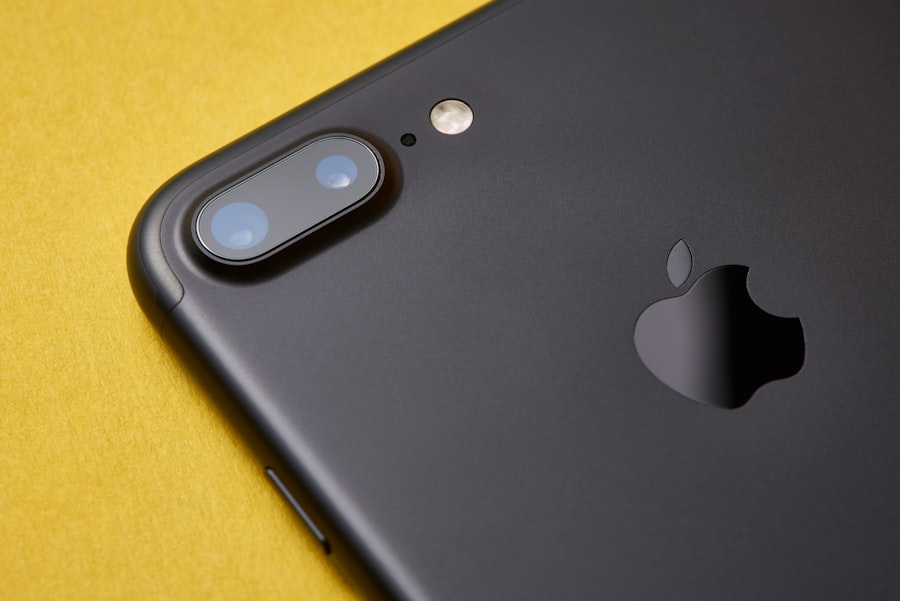
With the increasing amount of personal data stored on smartphones, it’s crucial to enhance your device’s security to protect your data and privacy. One of the first steps is to use a strong password or PIN to lock your device. Additionally, enabling two-factor authentication adds an extra layer of security by requiring a second form of verification when logging into accounts.
Regularly updating your smartphone’s software is also important for security purposes. Software updates often include security patches that fix vulnerabilities and protect against potential threats.
Furthermore, be cautious when downloading apps from third-party sources. Stick to trusted app stores like Google Play Store or Apple App Store to minimize the risk of downloading malicious apps.
Getting the Most Out of Your Smartphone’s Camera: Photography and Video Tips
Smartphone cameras have come a long way in recent years, and they now rival dedicated digital cameras in terms of quality and capabilities. To get the most out of your smartphone’s camera, there are several tips and tricks you can follow.
Firstly, clean the lens regularly to ensure clear and sharp photos. Fingerprints and smudges can affect image quality, so it’s important to keep the lens clean.
Secondly, experiment with different camera modes and settings. Most smartphones offer a variety of shooting modes, such as portrait mode, night mode, and panorama mode. Explore these modes to capture different types of photos.
Lastly, consider investing in third-party camera apps and accessories. There are many apps available that offer advanced features and manual controls for more professional-looking photos. Additionally, accessories like external lenses and tripods can further enhance your smartphone photography experience.
Exploring the World of Apps: Finding and Using the Best Apps for Your Needs
Apps play a significant role in enhancing the functionality of smartphones. Whether you’re looking for productivity tools, entertainment apps, or social media platforms, there is an app for almost everything.
To find the best apps for your needs, start by exploring the app store on your smartphone. Most app stores have curated lists and categories that can help you discover new and popular apps. Additionally, read user reviews and ratings to get an idea of the app’s quality and performance.
When using apps, take advantage of their features and settings to customize your experience. For example, productivity apps often have options to create shortcuts or set reminders. Entertainment apps may offer personalized recommendations based on your preferences.
Staying Connected: Communication and Social Media on Your Smartphone
Smartphones have revolutionized communication by making it easier than ever to stay connected with friends, family, and colleagues. With messaging apps like WhatsApp, Facebook Messenger, and iMessage, you can send text messages, make voice and video calls, and even share files and media.
Social media platforms like Facebook, Instagram, and Twitter have also become an integral part of our daily lives. These platforms allow us to connect with others, share updates and photos, and stay informed about the latest news and trends.
To make the most of communication and social media on your smartphone, take advantage of the features offered by these apps. For example, you can create groups on messaging apps to stay connected with multiple people at once. On social media platforms, you can customize your privacy settings to control who can see your posts and updates.
Troubleshooting Common Smartphone Issues: How to Fix Problems and Improve Performance
Despite their advanced capabilities, smartphones can sometimes encounter issues that affect performance. Common issues include slow performance, connectivity problems, and app crashes.
To troubleshoot these issues, start by restarting your device. This simple step can often resolve minor software glitches and improve performance. If the problem persists, try clearing the cache of the affected app or uninstalling and reinstalling it.
If you’re experiencing connectivity issues, check your network settings and ensure that you’re connected to a stable Wi-Fi or cellular network. If necessary, restart your router or contact your service provider for assistance.
For more complex issues or hardware-related problems, it’s advisable to seek professional help. Authorized service centers or customer support can provide guidance and solutions for more serious smartphone issues.
In conclusion, high-quality smartphones have the potential to enhance our productivity and entertainment in various ways. By choosing the right smartphone, maximizing its performance, customizing its settings, enhancing its security, utilizing its camera capabilities, exploring different apps, staying connected through communication and social media platforms, and troubleshooting common issues when they arise, we can make the most out of our smartphones and enjoy a seamless and enjoyable user experience.
If you’re interested in learning more about effective marketing strategies for your business, you might want to check out this insightful article on social media marketing strategy. It provides valuable tips and techniques to help you leverage the power of social media platforms to promote your brand and reach a wider audience. With the increasing importance of online presence, having a strong social media marketing strategy is crucial for any business looking to thrive in today’s digital landscape. So, if you’re ready to take your marketing efforts to the next level, be sure to give this article a read! (source)
FAQs
What is a quality smartphone?
A quality smartphone is a mobile device that offers high-end features, performance, and durability. It typically has a powerful processor, ample storage, a high-resolution display, a long-lasting battery, and advanced camera capabilities.
What are the benefits of owning a quality smartphone?
Owning a quality smartphone offers several benefits, including faster performance, better camera quality, longer battery life, and access to the latest software updates. It also provides a more enjoyable user experience and can increase productivity.
What are some popular brands of quality smartphones?
Some popular brands of quality smartphones include Apple, Samsung, Google, OnePlus, and Huawei. These brands are known for producing high-end devices with advanced features and capabilities.
What features should I look for in a quality smartphone?
When looking for a quality smartphone, you should consider features such as processor speed, storage capacity, camera quality, battery life, display resolution, and software updates. You should also consider the brand’s reputation for producing high-quality devices.
How much should I expect to pay for a quality smartphone?
The price of a quality smartphone can vary depending on the brand, model, and features. Generally, you can expect to pay anywhere from $500 to $1,500 for a high-end smartphone. However, there are also mid-range options available for around $300 to $500.
How can I ensure that my smartphone lasts for a long time?
To ensure that your smartphone lasts for a long time, you should take proper care of it by using a protective case, avoiding exposure to extreme temperatures, and keeping it away from water and other liquids. You should also regularly update the software and avoid overloading the device with too many apps and files.